
COP30 in Brazil: The Critical Climate Summit in the Heart of the Amazon
The critical COP30 summit in Belém, Brazil, will set new global climate finance goals. Discover the key issues, the summit's importance, and what's at stake for the planet's future.
The global community is turning its attention to Brazil, the host of the upcoming 30th Conference of the Parties to the UNFCCC. The critical COP30 summit, set to take place in the Amazonian city of Belém, represents a pivotal moment for international climate negotiations, where setting a new, ambitious climate finance goal will be the central focus.
What is the Event?
The Conference of the Parties (COP) is the main decision-making body of the United Nations Framework Convention on Climate Change (UNFCCC). Held annually, it brings together 198 member countries, or "Parties," to assess progress in dealing with climate change. COP30 is scheduled for November 10-21, 2025, in Belém, a city at the mouth of the Amazon River.
This summit's primary mandate is to establish a 'New Collective Quantified Goal' (NCQG) on climate finance. This new target will replace the previous pledge made by developed nations to jointly mobilize $100 billion annually by 2020 to support climate action in developing countries. The failure to consistently meet this initial goal has created a trust deficit, making the negotiations at COP30 even more critical for restoring faith in global cooperation.
Key Objectives
The agenda in Belém will be dominated by financial discussions. Delegates will need to determine the scale of the new goal, with developing nations arguing for a figure in the trillions to adequately fund mitigation and adaptation efforts. Additionally, the summit will review updated national climate plans, known as Nationally Determined Contributions (NDCs), which are due in early 2025.
Why is it Important?
The significance of COP30 lies in both its agenda and its symbolic location. It marks a critical deadline for the world to agree on a financial framework that can realistically support the goals of the Paris Agreement—namely, limiting global warming to 1.5 degrees Celsius above pre-industrial levels. Without a robust financial package, the transition to a green economy for many developing nations remains an insurmountable challenge.
The summit's timing is also crucial. It will build upon the outcomes of [COP29 in Azerbaijan](/haber/cop29-in-azerbaijan-a-critical-turning-point-for-global-climate-action), which is expected to lay the political groundwork for the new finance goal. Furthermore, COP30 will be the first COP held after the first Global Stocktake concluded at COP28, which provided a comprehensive assessment of where the world stands on climate action and where it is falling short.
A Summit in the Amazon
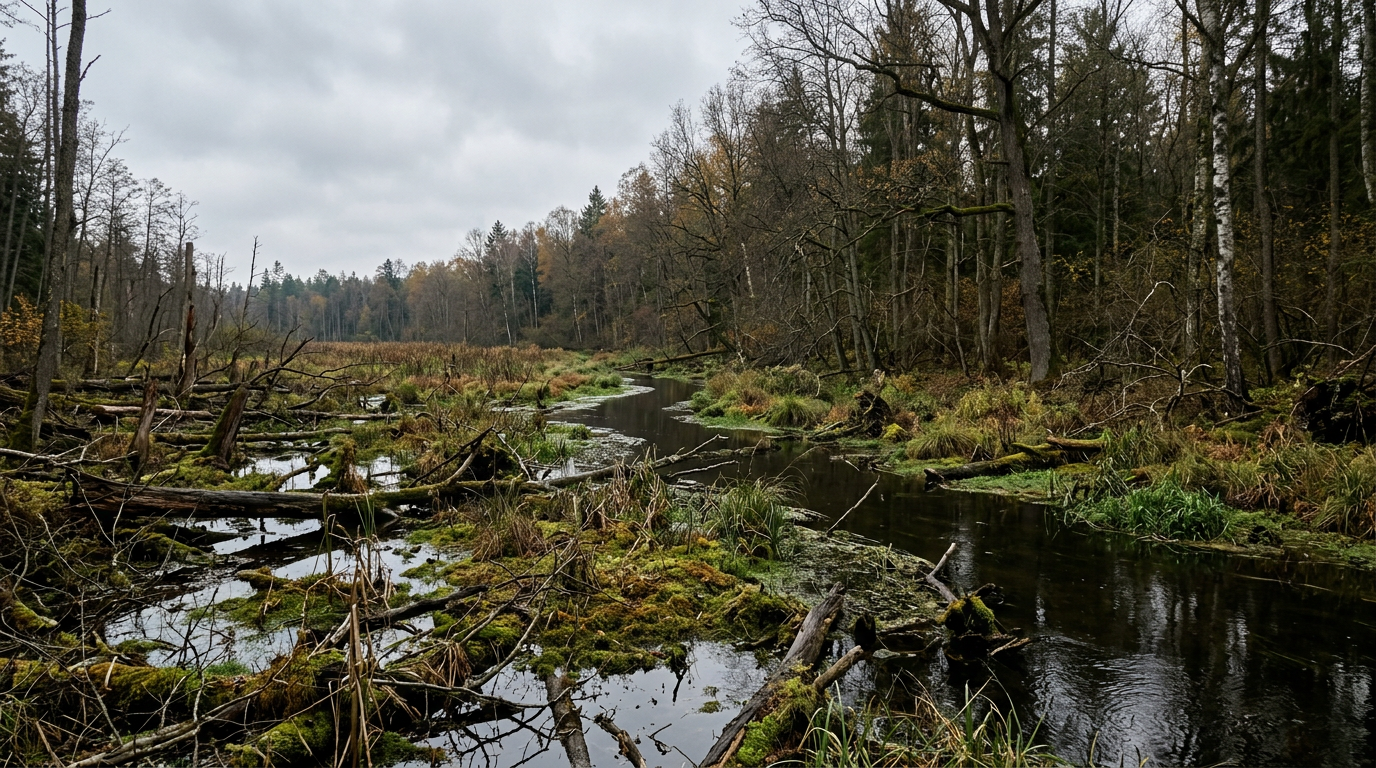
Hosting the event in Belém places the Amazon rainforest, a vital global carbon sink, at the center of the conversation. Brazilian President Luiz Inácio Lula da Silva emphasized that this choice allows world leaders to witness the reality of the Amazon and understand the importance of its preservation. It is expected to galvanize discussions around deforestation, biodiversity, and the rights of Indigenous peoples, who are the frontline guardians of these critical ecosystems.
Impacts and Consequences
The outcomes of COP30 will have far-reaching effects on global climate policy, international relations, and the real economy for the next decade and beyond.
Short-Term Impacts
In the short term, a successful agreement on the NCQG could unlock significant financial flows for renewable energy projects, climate-resilient infrastructure, and conservation programs worldwide. It would send a powerful signal to private sector investors, clarifying the direction of global climate policy and de-risking green investments. Conversely, a failure to agree on a substantial and accessible fund could stall progress and heighten geopolitical tensions between the Global North and South.
Long-Term Consequences
The long-term consequences are even more profound. The financial architecture decided at COP30 will largely determine the world's ability to meet its mid-century climate targets. An ambitious and well-structured goal could accelerate the global energy transition and help vulnerable nations adapt to the unavoidable impacts of climate change. A weak outcome would almost certainly put the 1.5°C target out of reach, leading to more severe and frequent extreme weather events, sea-level rise, and biodiversity loss.
Expert Opinions and Data
While no official figures have been tabled, climate analysts suggest that the new finance goal must be in the trillions, not billions, to be effective. The Independent High-Level Expert Group on Climate Finance, commissioned by the COP27 and COP28 Presidencies, estimated that developing countries (excluding China) will need to spend around $2.4 trillion per year on climate action by 2030.
There are differing views on how these funds should be raised and who should contribute. Developed nations are pushing for a wider contributor base that includes emerging economies and for a greater role for the private sector. However, developing countries maintain that the primary responsibility lies with historically large emitters, in line with the UNFCCC principle of "common but differentiated responsibilities and respective capabilities." This debate will be a central point of contention at COP30.
What Does This Mean?
For the average citizen, the decisions made at COP30 will have tangible effects. The summit’s outcomes will influence national policies on everything from energy prices and transportation to housing and agriculture. A strong agreement could spur job creation in green industries and lead to cleaner air and more sustainable cities.
The focus on the Amazon also brings issues like deforestation into the spotlight. This raises awareness about how consumer choices in one part of the world can contribute to the [deforestation crisis](/haber/deforestation-crisis-why-are-we-losing-our-forests) in another. The summit will amplify calls for stronger supply chain regulations and greater corporate accountability to protect vital ecosystems.
Conclusion
The COP30 climate summit in Belém is more than just another conference; it is a defining moment for the future of our planet. Its success hinges on the ability of nations to bridge deep divides and agree on a new climate finance goal that is both ambitious and equitable. By bringing the world to the Amazon, Brazil is making a powerful statement that the fight against climate change and the protection of nature are inextricably linked. The world will be watching to see if leaders can rise to the challenge.
Related Reading
See more Atmoswire in Google Top Stories
Open the link, sign in to Google and tick the box next to atmoswire.com.
Add Atmoswire as a preferred source on GoogleComments(0)
- No comments yet. Be the first!