Deforestation Crisis: Why Are We Losing Our Forests?
The deforestation crisis is one of the most urgent environmental challenges of our time, with millions of hectares lost annually. This article explores the causes, far-reaching consequences, and what it means for the planet's future.
The deforestation crisis stands as one of the most critical environmental challenges of our era. This ongoing destruction of vital forest ecosystems worldwide is accelerating climate change, threatening biodiversity, and jeopardizing the livelihoods of millions. Understanding the scale and impact of this issue is the first step toward finding meaningful solutions.
What is the Deforestation Crisis?
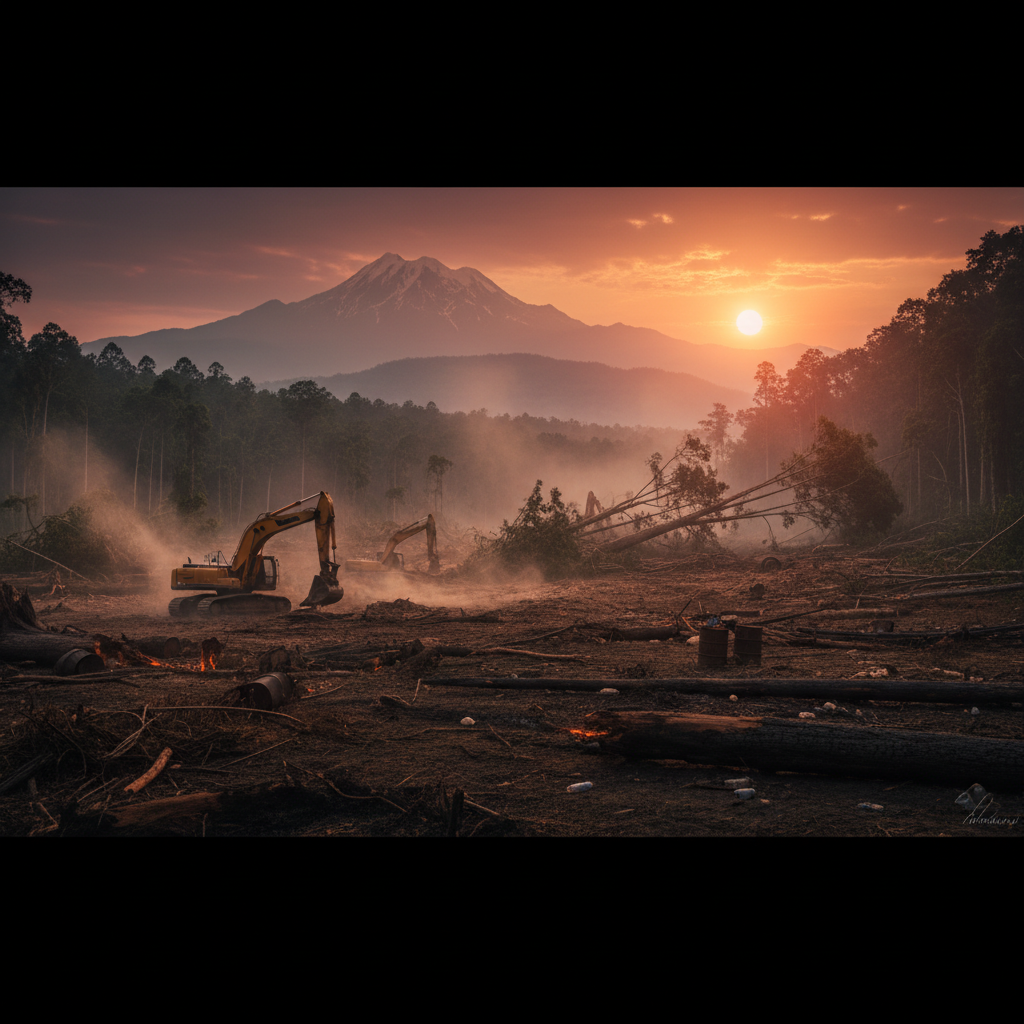
The deforestation crisis refers to the large-scale removal of forests for other land uses, such as agriculture, cattle ranching, and urban development. According to global environmental reports, an estimated 10 million hectares of forest are lost each year—an area roughly the size of Iceland. This process is driven by a combination of economic demands and governmental policies. The primary drivers are commercial agriculture, particularly for palm oil, soy, and beef production, which accounts for the majority of tropical deforestation. Logging, both legal and illegal, for timber and paper products, as well as infrastructure projects like roads and dams, also contribute significantly to this widespread habitat loss.
Why is it Important?
Forests are indispensable to the health of our planet. They act as the "lungs of the Earth," absorbing vast amounts of carbon dioxide (CO2), a primary greenhouse gas, and producing the oxygen we breathe. The loss of forests diminishes this crucial carbon sequestration capacity, releasing stored carbon back into the atmosphere and exacerbating global warming. Historically, forests have covered a significant portion of the Earth's land surface, but this has drastically decreased over the past century. This crisis not only impacts global climate patterns but also disrupts local water cycles, leading to changes in rainfall and increased risks of desertification. The intricate web of life that forests support is being unraveled, pushing countless species toward extinction.
Impacts and Consequences
The ramifications of the deforestation crisis are extensive and felt across environmental, social, and economic spheres. The immediate and long-term effects highlight the urgency of addressing this global problem.
Short-Term Effects
In the short term, deforestation leads to immediate habitat loss for millions of species, from insects to mammals, disrupting local ecosystems. It also displaces indigenous communities who depend directly on forests for their livelihood, culture, and survival. Soil erosion and degradation are another direct consequence; without tree roots to hold the soil in place, valuable topsoil is washed away, leading to decreased agricultural productivity and increased flooding downstream.
Long-Term Effects
Over the long term, the deforestation crisis is a major driver of climate change. The reduction in forest cover globally impairs the planet's ability to regulate its climate, leading to more extreme weather events. The loss of biodiversity is another profound long-term impact; many species, some of which may hold the key to new medicines and scientific discoveries, are lost forever. [İÇ LİNK: biodiversity loss and its consequences] This can create a domino effect, leading to the collapse of entire ecosystems and threatening global food and water security.
Expert Opinions / Data
Environmental analysts consistently point to the alarming rate of tree cover loss as a key factor in our planet's changing climate. Recent studies show that tropical forests, which hold more than half of the world's terrestrial biodiversity, are at the greatest risk. Experts emphasize that the economic incentives for deforestation often outweigh the incentives for conservation. According to sector analysts, without strong international agreements and local enforcement, the economic pressures from global commodity markets will continue to drive forest destruction. The data is clear: continuing on the current trajectory will have irreversible consequences for planetary health. [İÇ LİNK: the role of forests in climate regulation]
What Does This Mean?
For the average person, the deforestation crisis may seem like a distant problem, but its effects are closer than they appear. The products we consume daily, from coffee and chocolate to paper and furniture, can be linked to deforestation. It means that our consumer choices have a global impact. It also signifies a future with a less stable climate, which translates to more unpredictable weather, potential disruptions to food supplies, and diminished natural beauty and resources for future generations. Understanding this connection is crucial for fostering a sense of shared responsibility.
Conclusion
In summary, the deforestation crisis is a complex and urgent issue with far-reaching consequences for our planet's climate, biodiversity, and human societies. The relentless clearing of forests undermines the very systems that support life on Earth. Addressing this requires a concerted global effort from governments, corporations, and individuals to promote sustainable land use and value forests for the critical ecosystem services they provide. The time to act is now, to protect these vital resources for a healthier and more sustainable future.
See more Atmoswire in Google Top Stories
Open the link, sign in to Google and tick the box next to atmoswire.com.
Add Atmoswire as a preferred source on GoogleComments(0)
- No comments yet. Be the first!