
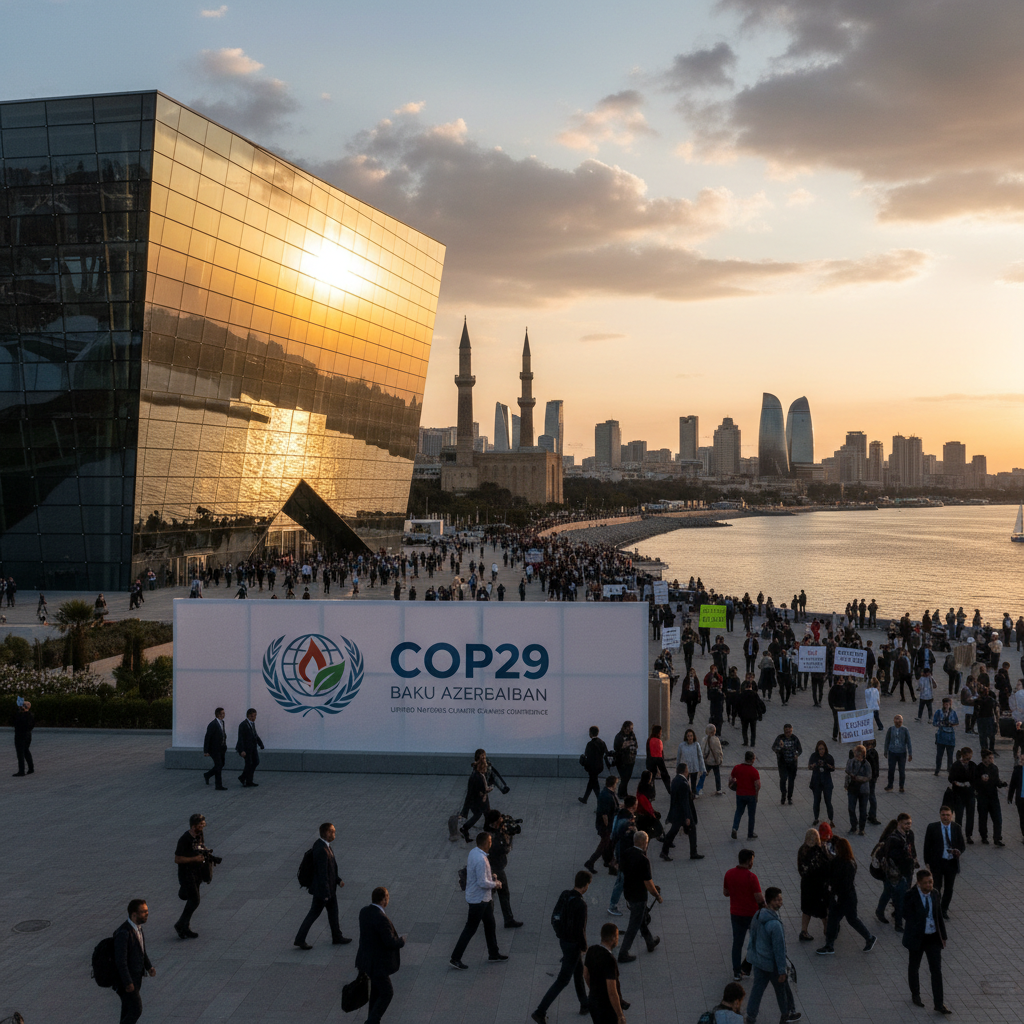
COP29 in Azerbaijan: A Critical Turning Point for Global Climate Action
As the world turns its eyes to Baku, Azerbaijan's hosting of COP29 marks a pivotal moment in the global fight against climate change, placing international environmental diplomacy and critical climate finance goals under the spotlight.
The global climate community is turning its attention to Baku, as the city prepares to host the 29th Conference of the Parties, better known as COP29. This pivotal event marks a critical juncture in the ongoing battle against climate change, placing Azerbaijan at the center of international environmental diplomacy. The decisions made here will have far-reaching consequences for global climate policy and energy transitions for years to come.
What is the Event?
The Conference of the Parties (COP) is the supreme decision-making body of the United Nations Framework Convention on Climate Change (UNFCCC). Held annually, it brings together 198 parties—essentially every nation on earth—to assess progress in dealing with climate change. From November 11-22, 2024, Azerbaijan will host COP29, welcoming tens of thousands of delegates, including heads of state, climate experts, business leaders, and activists to its capital, Baku.
The primary goal of the conference is to advance the global climate agenda. This involves negotiating agreements, reviewing national commitments, and, crucially, finalizing the new collective quantified goal (NCQG) on climate finance. This new goal will replace the previous commitment of $100 billion per year, setting a new baseline for financial support from developed to developing nations to help them mitigate and adapt to climate change. The agenda will also heavily feature discussions on accelerating the transition away from fossil fuels, a topic of particular relevance given the host nation's economic profile.
Why is it Important?
Hosting COP29 is a moment of immense significance for Azerbaijan. As a nation whose economy is heavily reliant on oil and gas, its role as host presents both a unique challenge and a powerful opportunity. It places the country under an intense international spotlight, compelling it to demonstrate leadership in the global energy transition. This event follows the "UAE Consensus" reached at COP28, which called for a historic transition away from fossil fuels.
Historical Context
The selection of an oil-producing nation to lead the world's most important climate summit for the second year in a row has drawn both scrutiny and optimism. Critics point to the potential for conflicts of interest, while supporters argue it provides a unique platform to engage fossil fuel-dependent economies directly in the climate solution. For Azerbaijan, this is a chance to rebrand itself as a key player in green energy and to diversify its economy, aligning with the very goals being championed at the conference.
Global Implications
The success of COP29 hinges on its ability to deliver a robust and transparent climate finance deal. Developing nations argue that without significantly increased financial support, they cannot be expected to curb emissions or protect their populations from climate impacts they did little to cause. Therefore, the negotiations in Baku are not just about numbers; they are about equity, justice, and the fundamental trust required for collective global action.
Effects and Consequences
The outcomes of the Baku summit will generate immediate and long-term ripple effects across the globe, impacting national policies, corporate strategies, and vulnerable communities.
Short-Term Effects
In the immediate aftermath, a successful finance agreement at COP29 could unlock new funding for renewable energy projects and climate adaptation measures worldwide. For Azerbaijan, the conference will bring a significant economic boost and an unprecedented logistical challenge. It will also test the nation's diplomatic skills as it navigates the complex and often contentious negotiations between nearly 200 countries.
Long-Term Consequences
Over the long term, the legacy of COP29 will be defined by its impact on the global energy landscape. A strong outcome could accelerate the decline of fossil fuels and catalyze investment in clean technologies. It could also strengthen the mechanisms for holding countries accountable for their climate pledges. Conversely, a failure to secure a meaningful agreement on finance could erode trust in the multilateral process and slow down the global response to the climate crisis. The summit's influence will also be seen in how it shapes the future of related environmental issues, such as the ongoing efforts to combat the global deforestation crisis.
Expert Opinions / Data
According to industry analysts, the central test for the COP29 presidency will be its ability to broker a finance deal that is both ambitious and equitable. Experts emphasize that the new climate finance goal must be significantly higher than the previous $100 billion target and must be based on the actual needs of developing countries. There is a broad consensus that the process must be transparent and inclusive, ensuring that the final agreement reflects the priorities of the most vulnerable nations. The success of COP29 in Azerbaijan will largely be measured by this financial outcome.
What Does This Mean?
For the average person, the high-level negotiations at COP29 can feel distant. However, the results will directly influence daily life. A successful summit could lead to more affordable clean energy, better public transportation, and stronger protections against extreme weather events like floods and heatwaves. It signals a global commitment to a safer and more sustainable future. For businesses, the conference provides a clear signal about the future direction of the global economy, encouraging investment in green innovation and sustainable practices.
Conclusion
As the world prepares for COP29, Azerbaijan steps into a crucial leadership role at a pivotal moment for climate action. The conference represents more than just a diplomatic gathering; it is a critical test of global solidarity and the collective will to address the climate emergency. The primary focus on a new, ambitious climate finance goal will determine its success and shape the trajectory of our planet's future. The outcomes from Baku will resonate for decades, defining our ability to build a resilient and sustainable world.
Related Reading
Sources
This article is based on information from the United Nations Framework Convention on Climate Change (UNFCCC) and analyses from international relations and climate policy experts.
See more Atmoswire in Google Top Stories
Open the link, sign in to Google and tick the box next to atmoswire.com.
Add Atmoswire as a preferred source on GoogleComments(0)
- No comments yet. Be the first!


