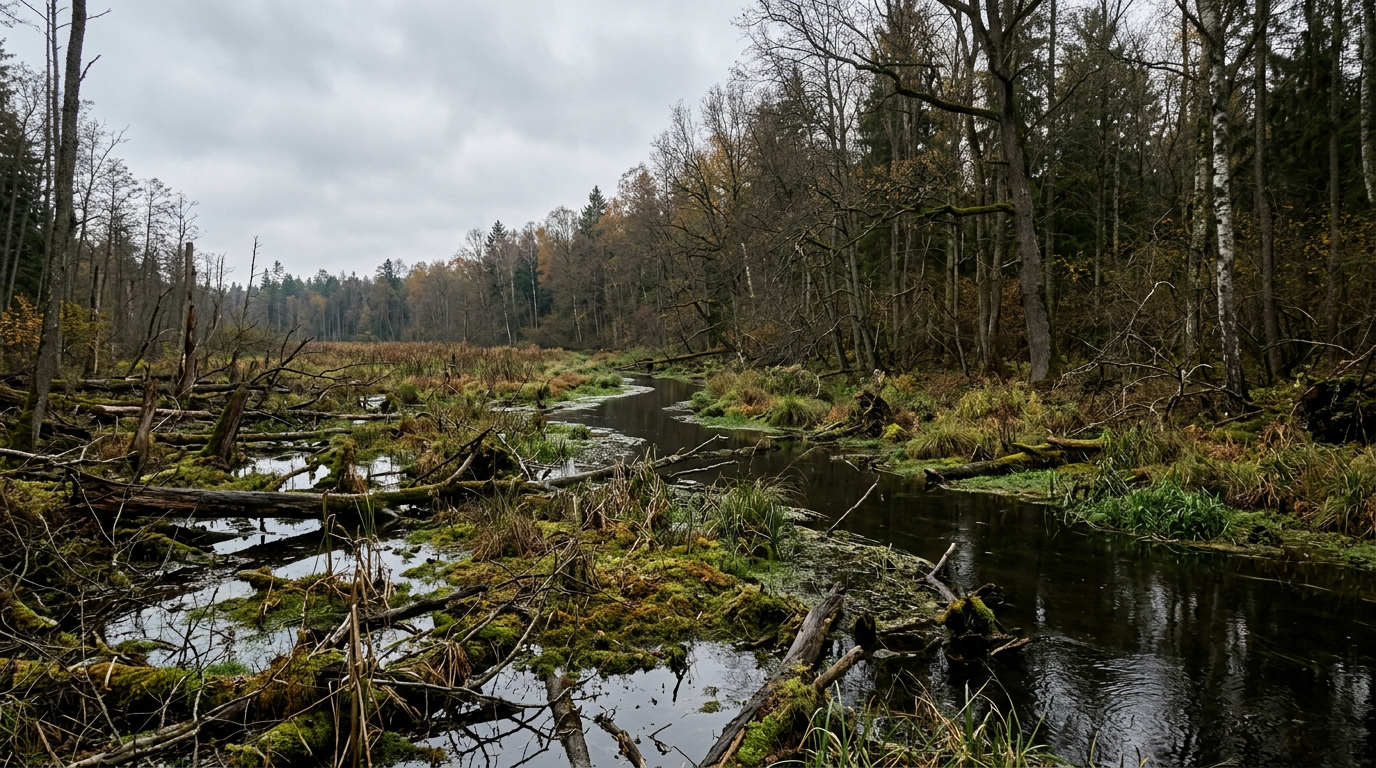

Nearly 90% of countries adopt biodiversity targets but lag on implementation
Thousands of delegates have gathered in Yerevan for the U.N. COP17 biodiversity summit where new data shows that while almost 90 percent of countries have adopted national biodiversity targets aligned with the 2022 global framework, the majority are still well off track to meet them.
Thousands of delegates have gathered in Yerevan for the U.N. COP17 biodiversity summit where new data shows that while almost 90 percent of countries have adopted national biodiversity targets aligned with the 2022 global framework, the majority are still well off track to meet them.
What happened
At the ongoing COP17 biodiversity summit in Armenia, the latest progress report on the Kunming-Montreal Global Biodiversity Framework reveals that 168 countries have submitted updated national biodiversity plans. This represents nearly 90 percent of parties to the Convention on Biological Diversity. However, detailed analysis indicates that most national biodiversity plans lack the scale, funding, and policy reforms necessary to halt species loss and restore ecosystems by 2030.
The framework, agreed at COP15 in Montreal in 2022, sets 23 ambitious targets including protecting 30 percent of land and sea, restoring degraded ecosystems, and reducing pollution. While many nations have incorporated these goals into domestic strategies, implementation gaps remain wide. Observers note that current efforts would need to accelerate dramatically to bend the curve on biodiversity decline.
Why it matters
Slow progress risks irreversible losses
Failing to meet biodiversity targets accelerates the sixth mass extinction event already underway. Without rapid action, countless species could disappear before the next decade ends, undermining food security, climate regulation, and human health.
Connection to climate crisis
Healthy ecosystems play a vital role in storing carbon and buffering extreme weather. The intersection of biodiversity loss and climate change amplifies both crises, making integrated solutions at forums like COP17 and COP29 in Azerbaijan increasingly urgent.
Local successes offer hope
Some countries are demonstrating practical pathways forward. Efforts such as Indonesian women earn from mangrove restoration efforts and Nigeria evicts gold miners from national park illustrate how community-led conservation and enforcement can deliver measurable gains even as global averages lag.
What comes next
Negotiators at COP17 must now focus on strengthening accountability mechanisms, increasing financial support for developing nations, and aligning trade and subsidy policies with biodiversity targets. The summit is expected to produce a final declaration that pushes countries to move from planning to measurable action before the 2030 deadline.
Future meetings, including COP30 in Brazil, will likely assess whether the gap between ambition and delivery on biodiversity targets has narrowed. Scientists warn that the coming two years represent the last realistic window to change trajectory and avoid catastrophic ecological collapse.
Frequently asked questions
What percentage of countries have adopted national biodiversity plans?
Nearly 90 percent of countries have submitted updated national biodiversity plans under the Kunming-Montreal framework.
Where is the COP17 biodiversity summit taking place?
The COP17 summit is currently underway in Yerevan, Armenia.
Are most countries on track to meet their biodiversity targets?
No. While most nations have created plans, the majority remain significantly off track according to the latest progress assessment.
See more Atmoswire in Google Top Stories
Open the link, sign in to Google and tick the box next to atmoswire.com.
Add Atmoswire as a preferred source on GoogleComments(0)
- No comments yet. Be the first!